

Wine & Other Spirits

Our shelves don't begin or end with whiskey. Sometimes you're looking for a gin that suits your usual serve, a rum or Cognac to take your time over, or wine to share with friends. There are smaller discoveries here too, including mead and mezcal. Start with the flavours you enjoy and how you plan to serve or give the bottle; the collections below will help you find your way.

At James J. Fox Dublin, the wine shelves include Jerez styles from dry to sweet. The gin selection brings Irish distilleries together with international names, while the rums cover mixed drinks as well as slower pours. Cognac, liqueurs and smaller finds have their place too. If a category sounds promising, look at the individual bottle before deciding: its flavour, size and suggested serve will tell you more than the category name alone.

A row of five bottles of Cuban rum displayed on a polished wooden counter inside James J. Fox in Dublin, set against a warm wood-paneled background. The bottles include brands such as Cubay, Mulata, Edmundo Dantes, Havana Club, and Santiago de Cuba, each with distinct labels and amber-colored liquid.

SHOP THE MAIN WINE & SPIRIT CATEGORIES

Begin with the category you know, or explore wine and Champagne, gin, rum and the smaller ranges alongside them. Each card opens a focused collection; the notes below help when you are still deciding.

A red-colored cocktail served in a stemmed glass with ice and a slice of grapefruit on top, placed next to a green bottle of “Drumshanbo Gunpowder Irish Gin.” The background shows lemons and a warmly lit, cozy bar or tabletop setting.

HOW TO CHOOSE BY FLAVOUR AND SERVE

Start with the flavours you already enjoy and the way you'll serve the bottle. A familiar drink or meal often tells you more than the occasion alone.

  • For a mixed drink, compare gin's juniper, citrus and floral notes against the serve you usually make.
  • For a slower glass, explore rum or Cognac by their tasting notes; rum colour alone cannot settle the choice.
  • For the table or a celebration, compare wine by style and sweetness before deciding on a bottle.

These routes narrow the field; they don't define every bottle in it. When you're unsure, check the product details or start with a miniature or set.

SHOP GINS

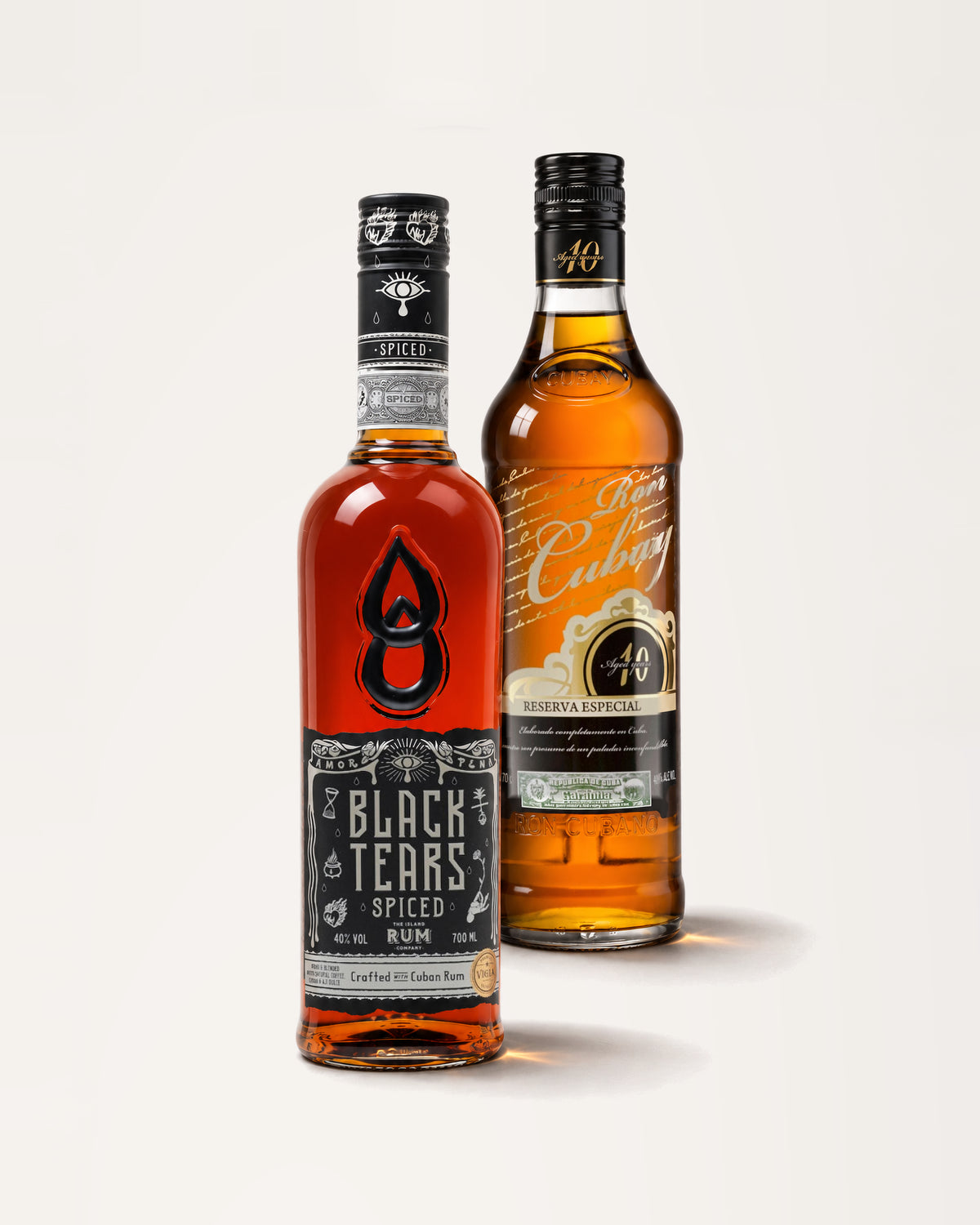
Ron Cubay bottles displayed side by side, including Reserva Especial, Elixir 33 and Carta Dorada.

EXPLORE ANOTHER SPIRIT FROM A FLAVOUR YOU KNOW

If you usually enjoy whiskey for oak, dried fruit or spice, that preference gives you a useful starting point here. Some aged rums and Cognacs can show related notes, and both are represented in the range. The better question is which part of your usual dram you want to follow.

Rum begins with sugar cane; Cognac is grape-based brandy made under rules tied to its region. Production and the individual bottle still shape what ends up in the glass, so the connection is a clue rather than a promise of the same flavour. Read the tasting notes, then take the route that sounds most like you.

SHOP RUMS

Questions People Usually Ask Before Choosing a Bottle

These are the questions we hear most often from shoppers comparing wine, spirits, miniatures and gift bottles for the first time.

What style of gin should I start with if I am not sure what I like?

A balanced, citrus-led gin can be an easy first try in a gin and tonic, but start with what you normally enjoy: juniper, citrus or floral notes. The way you plan to serve it matters as much as the botanicals. Check each bottle's description before choosing, since even gins from the same region can taste quite different.

Does darker rum mean older, sweeter or better?

No. A darker colour does not, by itself, tell you that a rum is older, sweeter or better. Colour can reflect choices made during maturation, blending or colouring. Compare the bottle's production details and tasting notes instead of judging its style by shade alone.

How is Cognac different from other brandy?

Cognac is brandy made in the designated Cognac region of France under specific production rules. It is double-distilled from wine and matured in oak. Every Cognac is brandy, but brandy made elsewhere cannot use the Cognac name. Individual Cognacs still vary, so read the bottle description when choosing.

What is the difference between Champagne and sparkling wine?

All Champagne is sparkling wine, but not all sparkling wine is Champagne. The name belongs to wine from a defined region of France made under its production rules. That tells you something important about its origin; it does not mean every Champagne will taste the same.

What makes a good gift if I do not know exactly what they drink?

Start with what you know about the recipient: a favourite drink, a style they enjoy, or whether they like trying something new. A full bottle can feel personal when you know their preference. If you are less certain, a miniature or gift set gives them room to explore; check the exact bottles and pack size on its product page.

How is a liqueur different from gin or rum?

A liqueur is itself a spirit drink. Added flavours and sweetness usually give it a different character from gin or rum, which is why shops often show liqueurs as a separate range. Recipes vary considerably, so check the ingredients and serving notes of the bottle you are considering.