

Need Inspiration?

Gift Ideas

Check out our suggestions for gifts in cigars, whiskey, pipes and more!

EXPLORE

Understanding Champagne styles

Champagne labels can tell you more than whether a bottle is suited to a celebration. Brut describes a dry dosage; Blanc de Blancs is made from white grapes, while Blanc de Noirs is made from dark-skinned grapes. A vintage year identifies one harvest, not the bottling date. These terms describe different aspects of the wine, so a Champagne can be both vintage and Brut.

Then compare the producer and the particular cuvée. The named-vintage bottles we commonly offer are Dom Pérignon, Krug and Pol Roger Sir Winston Churchill, each with its own character. A year alone will not tell you which bottle you will prefer. Look at the individual wine’s description, its style and the occasion you have in mind.

The different styles of Pedro Ximénez

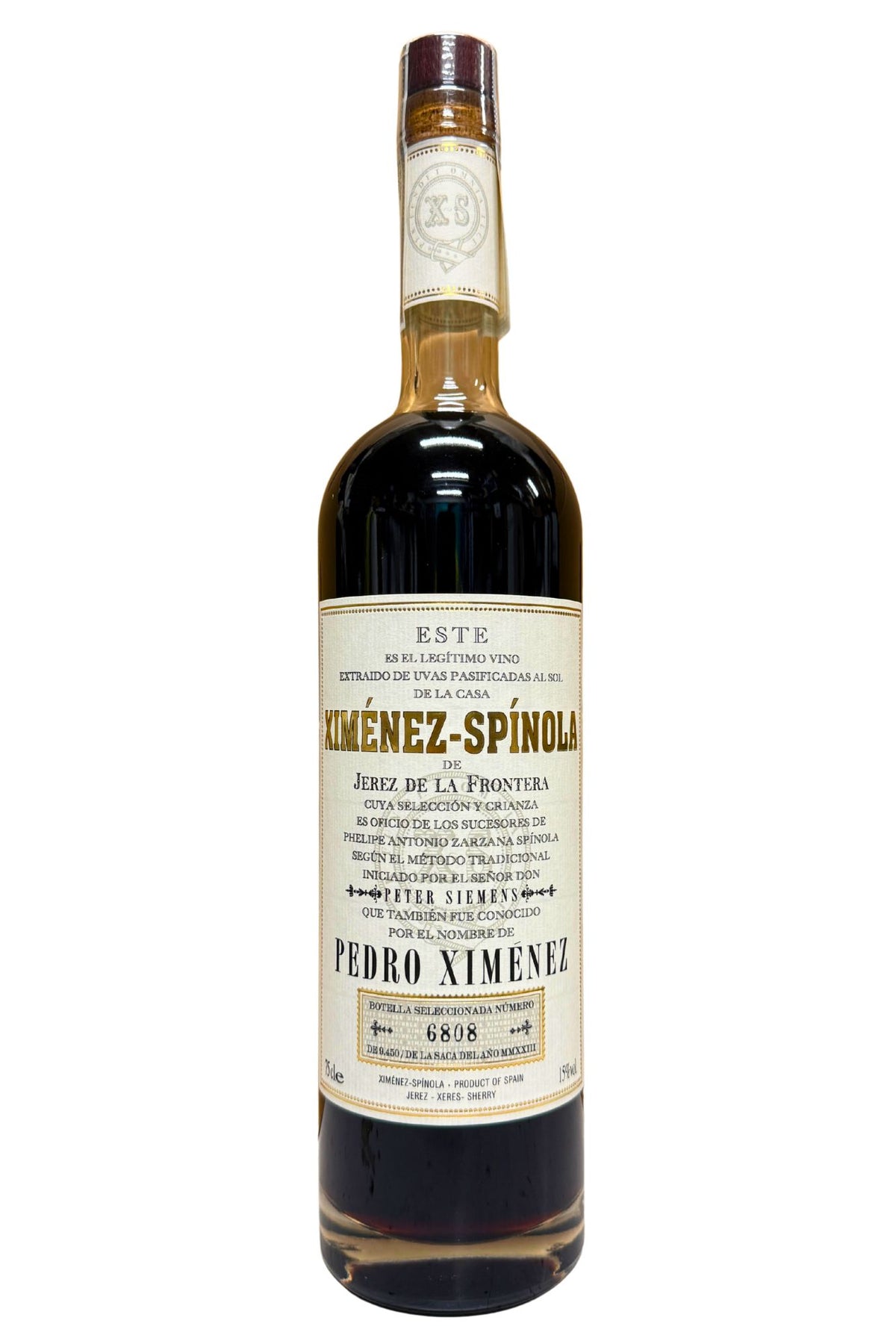
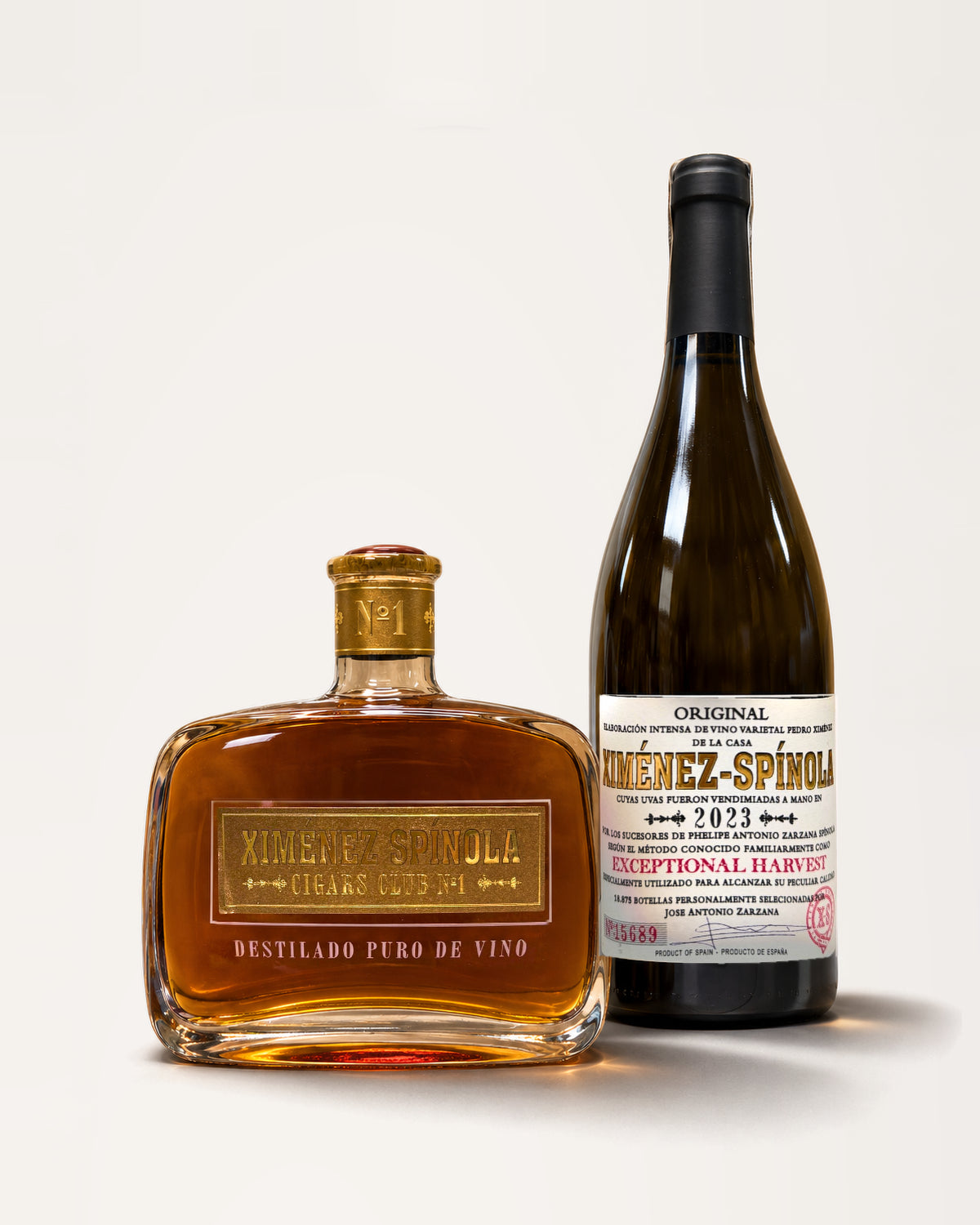
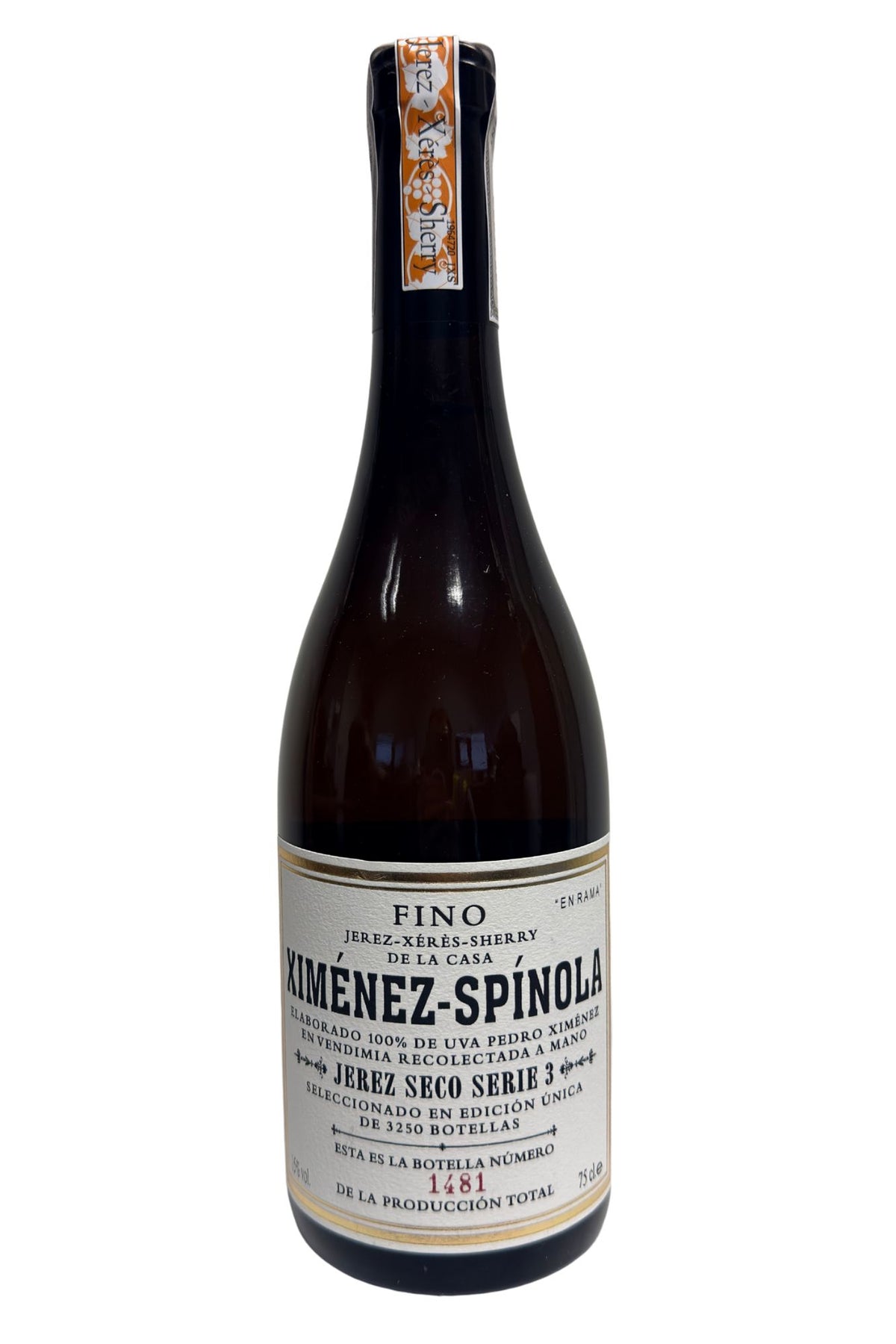
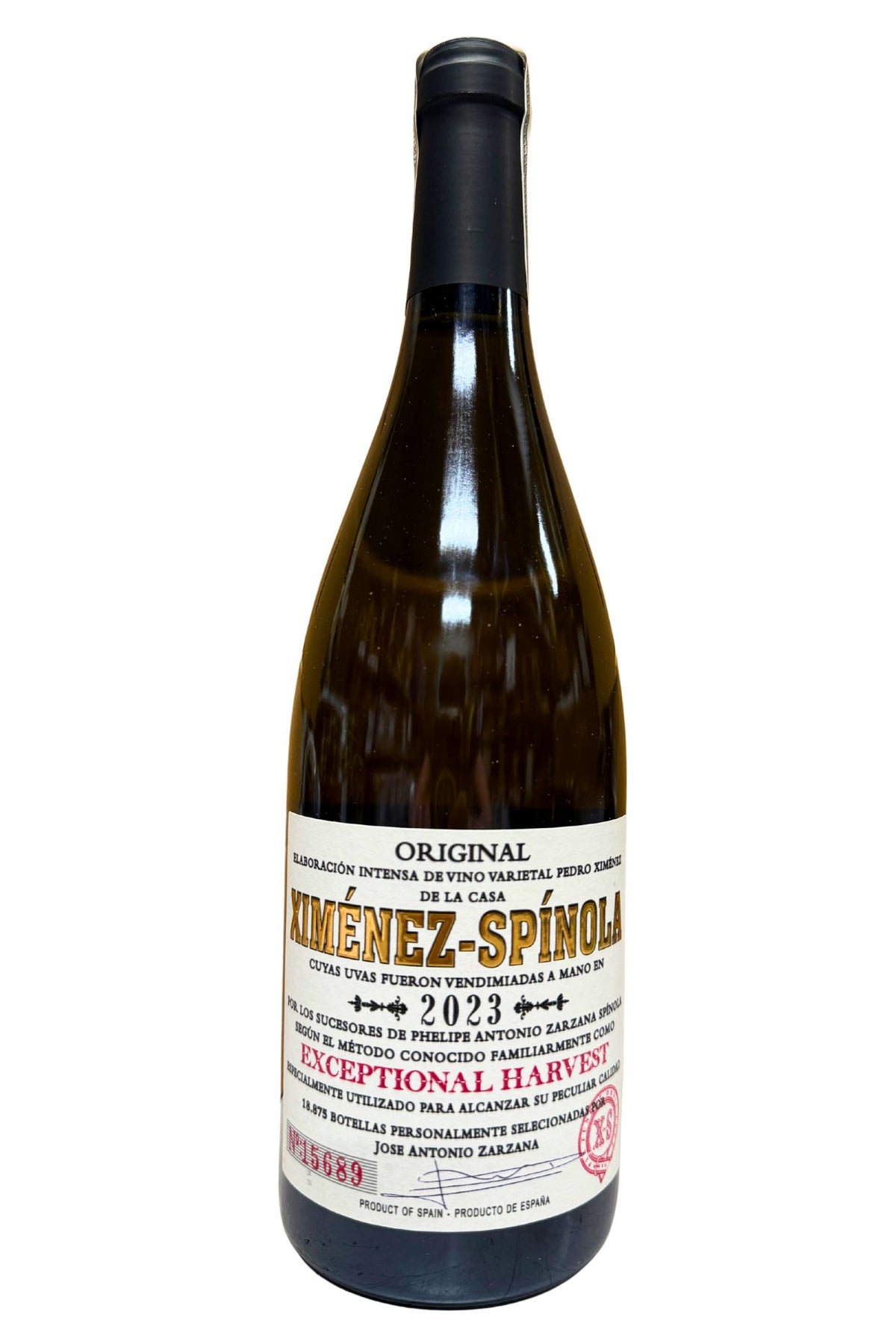
Ximénez-Spínola is the producer; Pedro Ximénez, often shortened to PX, is the grape behind its range. That distinction matters because a PX wine is not necessarily sweet. Fermentación Lenta is slowly fermented to a dry white style, while Exceptional Harvest retains natural sweetness from grapes left longer on the vine. The producer also makes naturally sweet wines from sun-dried grapes and mature solera-aged expressions. Check the style of an individual bottle rather than choosing by the grape name alone.

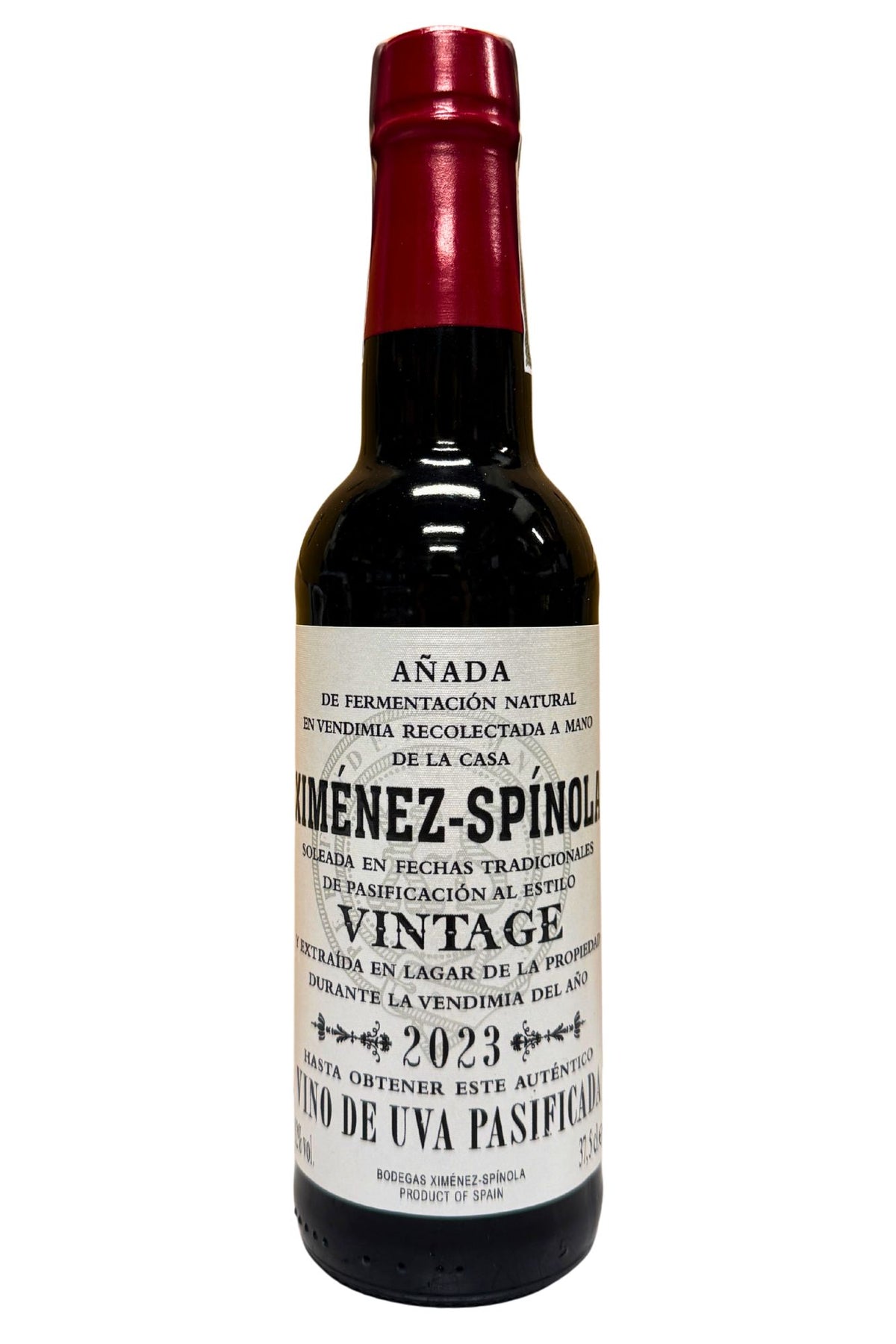
The range also includes different bottle formats – aside from 75cl bottles typically associated with wine and champagne, some releases may differ.

Explore Ximenez-Spinola

Wine & Champagne FAQs

Is Champagne different from other sparkling wine?

Yes. Champagne is a sparkling wine made under the Champagne designation in the Champagne region of France. Other sparkling wines may be made elsewhere. That distinction identifies a wine’s origin and production rules; it does not tell you which style you will personally prefer. When comparing Champagne bottles, look next at the producer, cuvée, sweetness level and any vintage year.

Can Champagne be served with food, or is it mainly for a toast?

It can be enjoyed with a meal as well as at a celebration. A lighter, fresher Champagne can work with seafood or as an aperitif, while a fuller style may suit a more substantial dish. The match depends on the particular bottle and the food, so use the wine’s description rather than assuming that all Champagne tastes or pairs alike.

How should I choose wine or Champagne as a gift?

Start with what you know about the recipient. Someone who favours dry wine may appreciate a dry white or Brut Champagne; a person who enjoys a richer, sweeter finish may prefer an appropriate PX wine. A producer or vintage they already like is another useful clue. Check bottle volume when comparing options, since some PX wines come in smaller formats than a standard 70/75cl bottle.

Do the dates 1918 and 1964 on solera wines mean every drop is that old?

No. A solera is an ageing system in which wine is drawn from and replenished across a series of casks. A year associated with the solera can indicate when that system began; it does not mean every drop in the bottle came from that harvest. This differs from a vintage year on a Champagne label, which identifies the grape harvest used for that wine.

Why are some bottles 37.5cl or 50cl rather than 75cl?

These are different bottle volumes, so check the size before comparing prices or planning what to serve. The collection includes smaller PX formats (e.g. 37.5cl) alongside 75cl wines and Champagnes.

Can I get delivery or collect my order from Grafton Street?

Yes. James J. Fox offers delivery and free Click & Collect from its shop at 119 Grafton Street, Dublin. For collection, wait until you receive the ready-for-collection notification before visiting; collection is for customers aged 18 or over. Delivery availability and charges depend on the product and destination. See our shipping information for the relevant details.