


Cigars

When choosing a cigar, perhaps the best place to begin is with experience level and the occasion — whether that’s a beautifully made cigar for your regular enjoyment, the familiar heritage of a Cuban cigar, a smaller format that suits the occasion, or a carefully chosen gift for a loved one.

Since the very beginning in 1881, cigars have been a cornerstone of our business. Handmade cigars remain an important part of that story, alongside machine-made cigars and ranges from Cuba and the New World. If you’re choosing for a friend or loved one, our gift sets bring several options together, with the contents set out on each listing.

At James J. Fox Dublin, a bundle of hand-rolled cigars tied with a yellow ribbon sits ready in the shop — a quiet glimpse of what you’ll find inside.

SHOP THE MAIN CIGAR CATEGORIES

Explore handmade and machine-made cigars by production method, or browse Cuban and New World cigars by origin. These routes overlap: a handmade cigar can also belong to either origin collection.

Elegant wooden cabinets inside James J. Fox cigar shop displaying neatly arranged rows of premium cigars in open boxes, alongside a glass case featuring cigar accessories such as lighters and cutters, all warmly lit to highlight the selection.

Making Sense of Cigar Categories

Making sense of cigar categories is easier when you separate a few questions: how a cigar is made, where it is made, and what its format describes. These labels are useful, but they are not interchangeable.

Handmade and machine-made describe production. Cuban and New World describe origin, so a handmade cigar can also sit within either origin group. Size names, length and ring gauge describe physical format; they do not establish body or strength on their own. Body describes the weight and texture of the smoke, while strength describes perceived nicotine impact, though makers may use these terms differently.

The individual cigar listing is where those labels become specific: the maker's dimensions, stated body or strength, and the exact contents of a box or sampler. A smaller format is not automatically milder, and the place of manufacture does not necessarily identify the origin of every leaf.

Explore Handmade Cigars

Close-up of wooden cigar boxes on a polished shelf inside James J. Fox, featuring branded boxes such as Cohiba and Hoyo de Monterrey with authenticity seals, set against softly lit cabinets filled with neatly arranged cigars in the background.

Understanding Cigar Packaging and Care

Packaging tells you what is included, but not necessarily how to keep cigars the right way. Especially with handmade cigars, consistent temperature and humidity are key for longer-term storage – generally, you'll want your cigars resting at room temperature (18–21ºC) and relative humidity of 65–70%.

Since handmade cigars are an organic, fragile product, another facet to consider is damage protection. A tube or case may guard against knocks without maintaining particular conditions, but not manage humidity. Conversely, humidified storage solutions like Boveda will look after the humidity, but not necessarily be enough to protect the cigars from accidental damage. Investing in a larger desktop humidor can be a good way to manage both of these aspects.

View Storage & Care Accessories

QUESTIONS PEOPLE USUALLY ASK BEFORE THEY BUY CIGARS

These are the questions we hear most often from shoppers choosing their first cigar, comparing categories, or buying a cigar gift.

Read Our Beginner’s Cigar Guide

I'm new to cigars. What do you recommend to a beginner?

We often recommend that beginners start with a shorter cigar with a milder body, rather than going straight for a long, full-bodied smoke. It can make the first experience easier to manage while you discover which flavours and sizes suit you.

A shorter cigar is not automatically mild, so check its stated body as well as its size on the individual product page. “Mild” describes the cigar’s body; it does not mean the cigar is safer.

Need more guidance? Check out our blog: "Best Cigars for Beginners: A Complete Guide To Your First Smoke"

What is the difference between handmade and machine-made cigars?

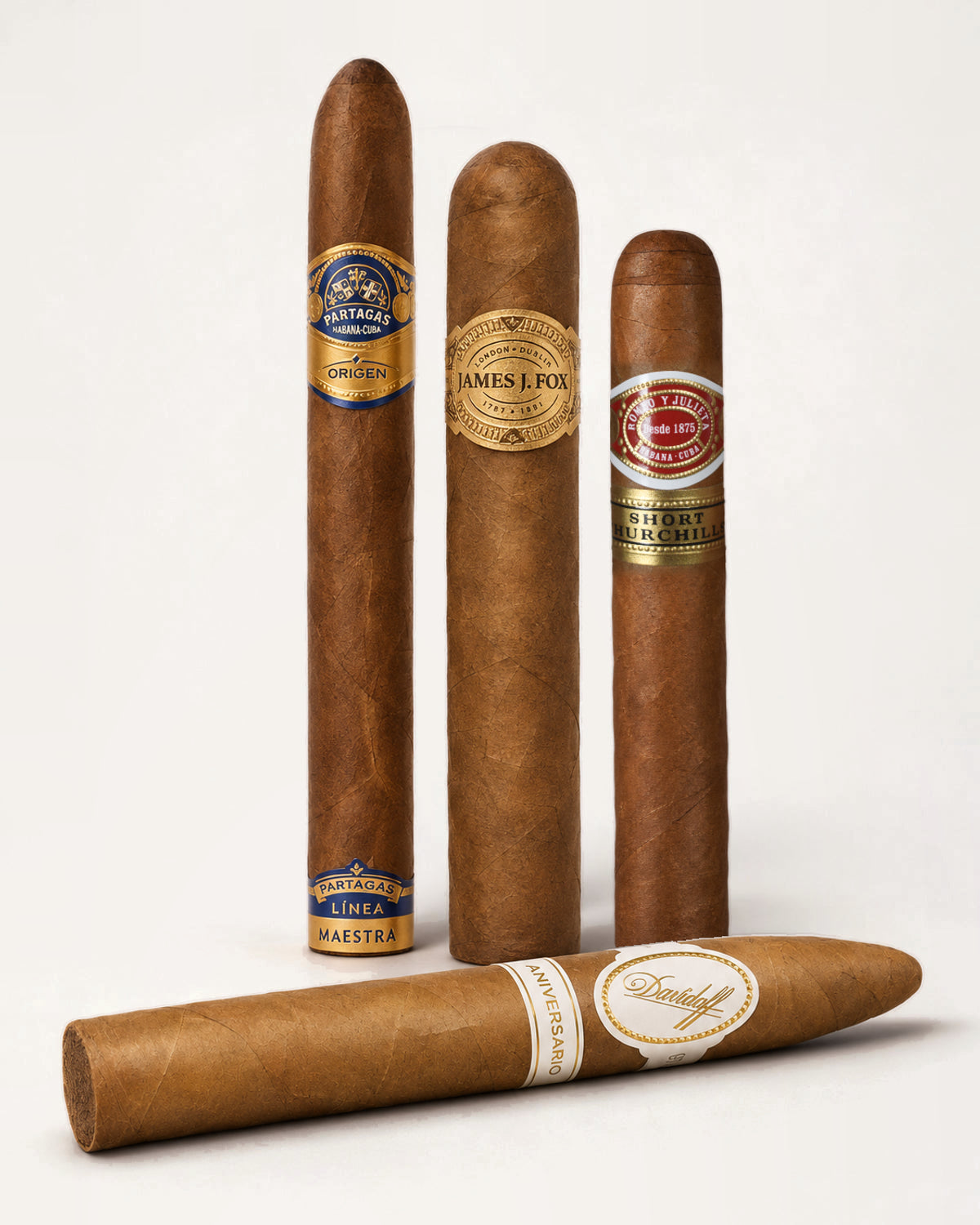
Handmade cigars are, as the name suggests, rolled by hand by a skilled torcedor – or, very often, a torcedora, as many of these talented hands belong to women. Many use whole-leaf long filler, although handmade short-filler cigars exist too; the blend and construction vary by cigar.

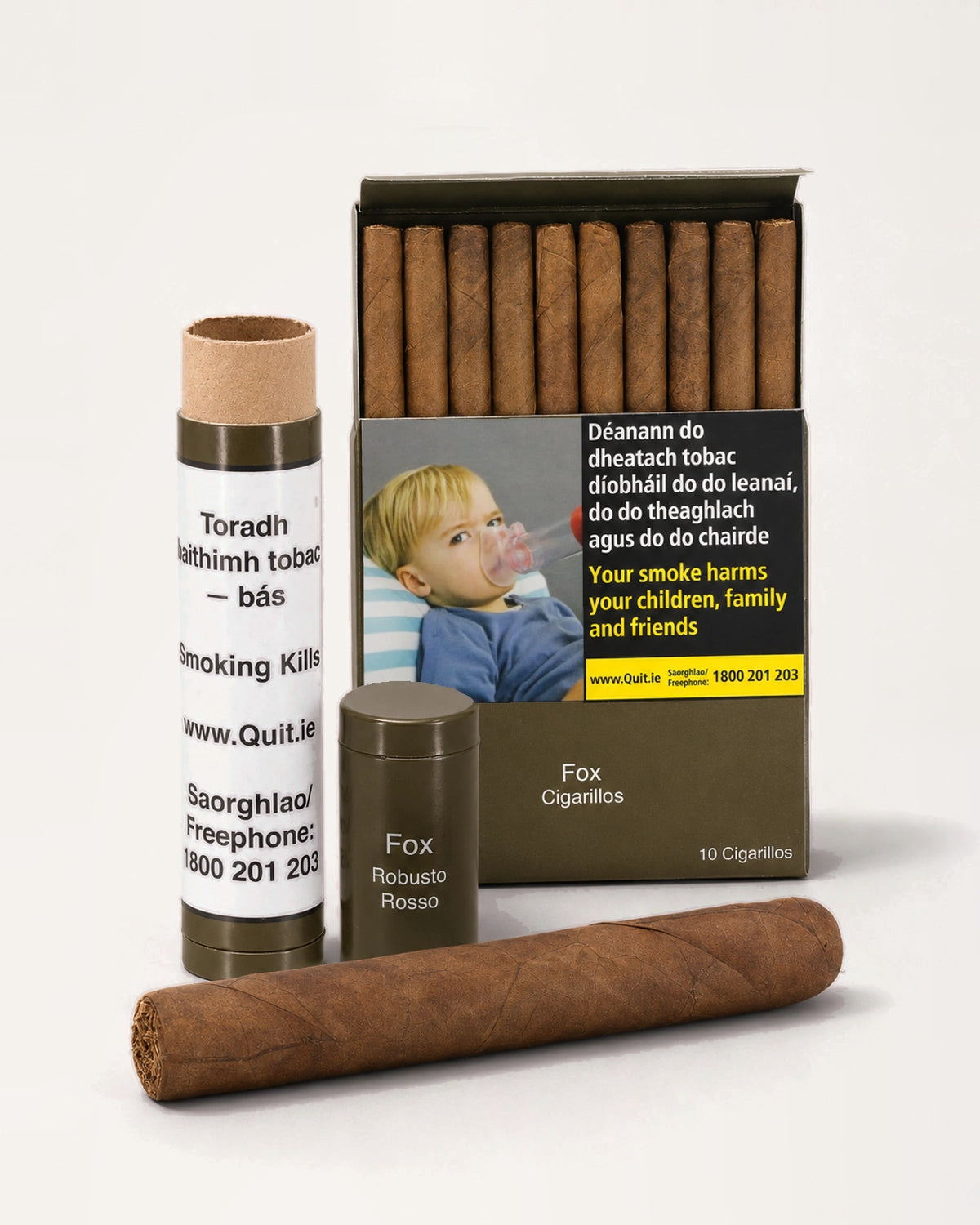
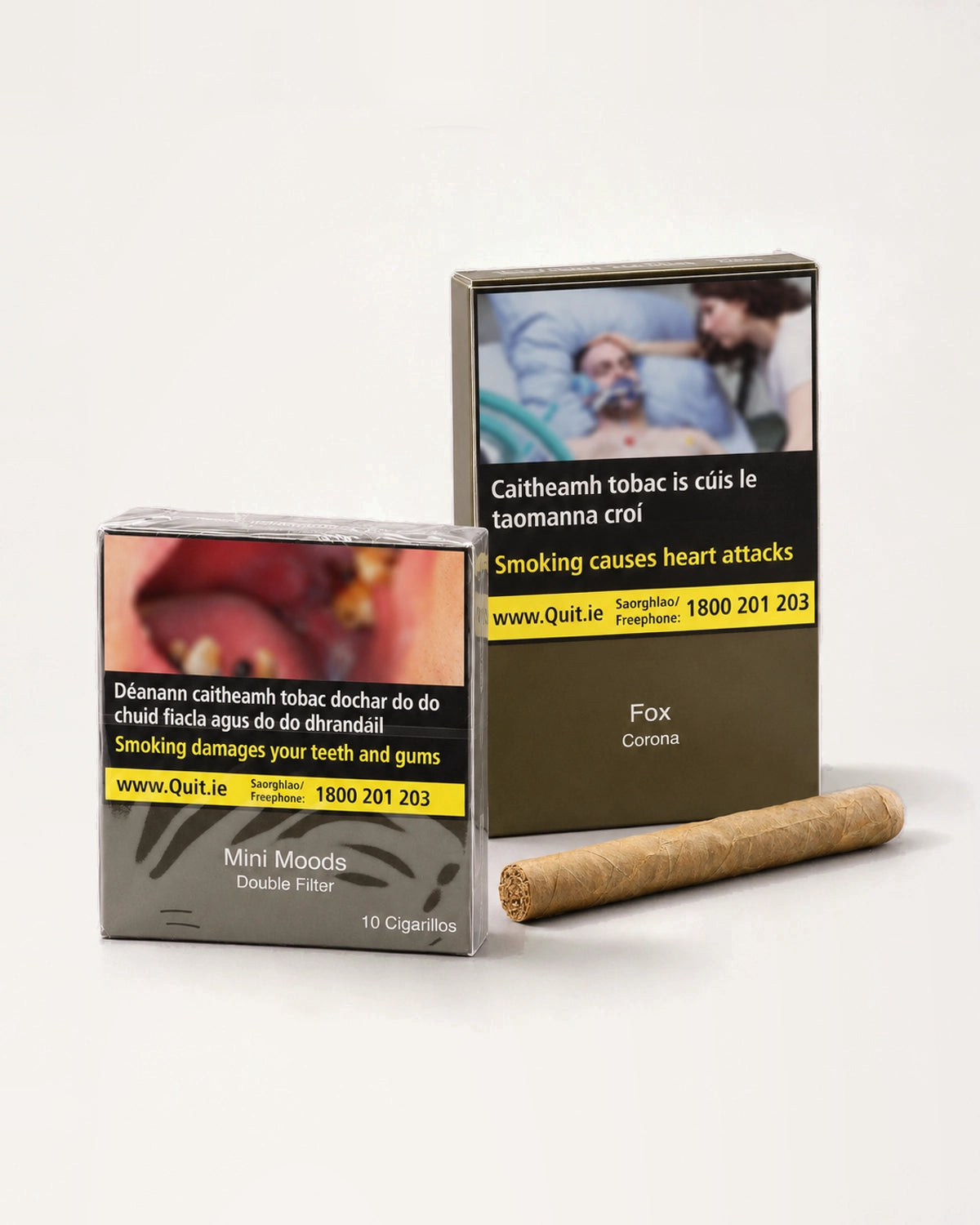
Machine-made cigars use machinery during production, often resulting in a consistent format at a more accessible price. Many are ready to smoke without a cut and do not usually need separate humidified storage while kept in their original packaging. There are exceptions, particularly with different formats and longer storage, so check the individual product page for cutting and storage guidance.

Neither is inherently "better" and each has a time and place to shine – handmade cigars tend to appeal to those who enjoy nuance and ritual, while machine-made cigars offer consistency and convenience, particularly for newer or more casual smokers.

What is the difference between Cuban and New World cigars?

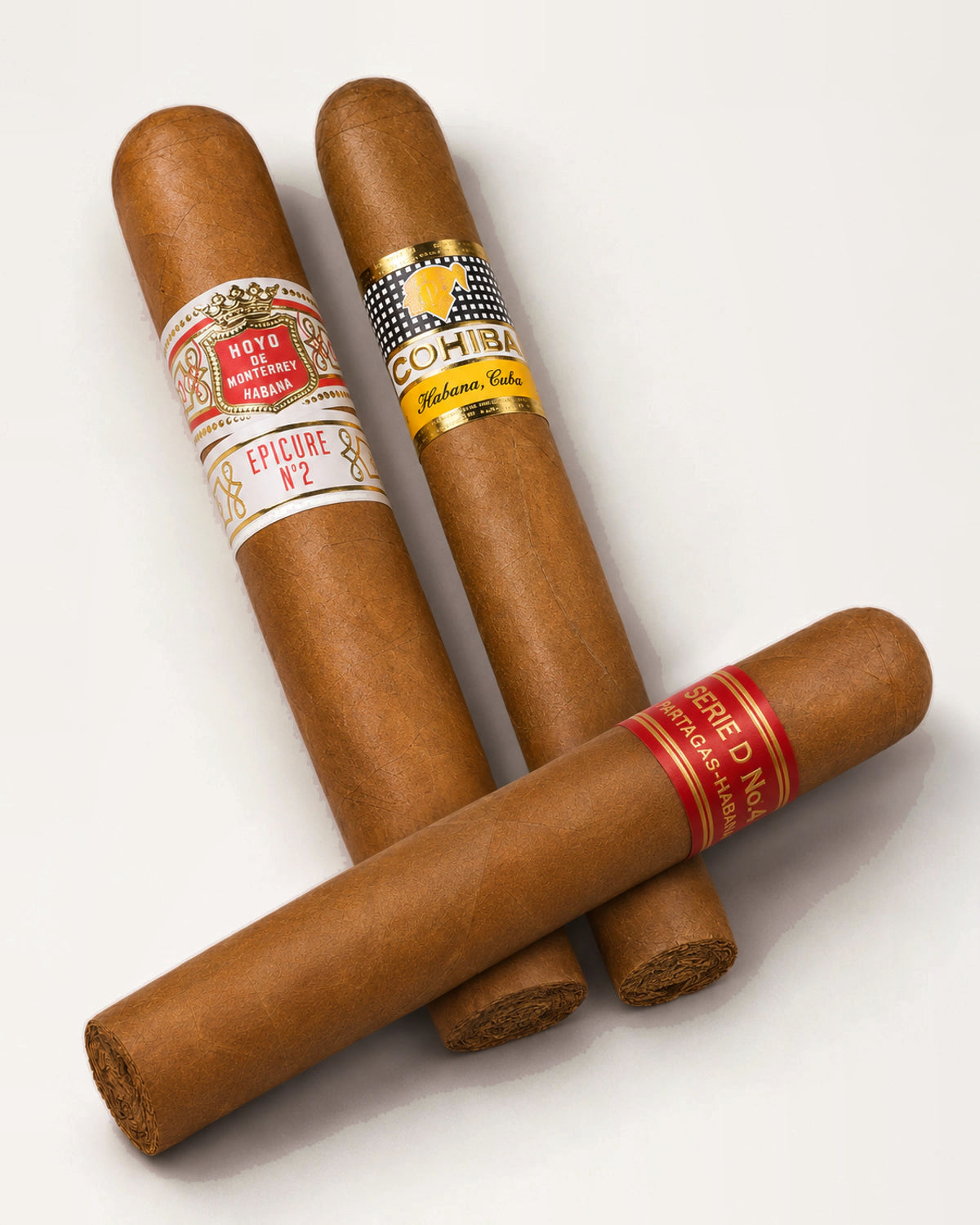
Cuban and New World describe where a cigar is made, rather than two fixed flavour profiles. Cuban cigars are, unsurprisingly, made in Cuba; New World cigars come from countries including the Dominican Republic, Nicaragua and Honduras.

Both groups include different makers, blends, formats and levels of body. A cigar’s place of manufacture does not always tell you where every wrapper, binder and filler leaf was grown (especially in non-Cuban cigars). We suggest comparing the maker’s tasting notes, body and size on the individual product pages, then choosing what appeals to you.

How do size and ring gauge inform my smoking experience?

You will frequently hear two words used in tandem to describe a cigar: length and ring gauge (often just referred to as "ring"). Length is easy: that’s how long the cigar is from head to foot.

Ring gauge is a little more complex: expressed in 64ths of an inch, a cigar with a ring gauge of 50 has a diameter of 50/64ths of an inch, which equals approx. 0.78".

Length and ring gauge give useful context for size and can affect smoking time and feel, but neither measurement promises a particular flavour, strength or exact smoking time. Check the listed dimensions alongside the maker’s description for the cigar you are considering.

What is the difference between body and strength in a cigar?

When it comes to cigars, body and strength are two different characteristics that describe different aspects of the smoking experience.

  • Strength: How much nicotine “punch” you perceive, usually rated mild to strong. A peppery flavour or harsh smoke doesn’t necessarily mean high strength.
  • Body: How substantial the smoke feels and tastes – its weight, mouthfeel, and depth of flavour – usually rated light to full. Think of the difference in mouthfeel between tea and cream.

A cigar can therefore be, for example, full-bodied but medium-strength: rich, dense and mouth-filling, with a moderate nicotine impact.

Where should I start? With a sampler or a single cigar?

Generally, sampler packs offer a selection of cigars, linked in some way - geographic origin, brand, size, strength etc - to give you a sense of what is available so that you can compare different options. It’s that time and reflection that may give your personal taste time to come to the fore.

It’s possible that what you enjoy smoking may differ from what you thought based on tasting information. Smoking through a sampler might help you to find stand out cigars that you then move forward with. When you know what tasting notes you enjoy, then you might wish to branch out and try different vitolas. Check the exact contents and quantities on the individual sampler listing before choosing.

Do cigars require particular conditions for storage?

Storage depends on the cigar and its packaging. Handmade cigars generally benefit from stable humidity if you are keeping them; around 65–72% relative humidity is a common starting range for a maintained humidor, though the right setting can vary. Too dry and a cigar can become brittle; too damp and mould or an uneven burn can become a concern. Keep the temperature steady and avoid heat and direct sunlight.

A dedicated wooden humidor with a hygrometer is the traditional option for a growing collection. A suitable airtight container or humidor bag with humidity control can also work. A tube or ordinary case protects against knocks but does not necessarily regulate humidity.

Many machine-made cigars, particularly when kept in their original packaging for a shorter time, do not usually need a separate humidity solution. Storage needs vary by product, so check the individual cigar listing and the guidance for any storage accessory before buying or gifting.

How do I choose a gift for a cigar lover?

When buying cigars as a gift, it’s important to consider the person to whom you intend to give the gift. Are they a regular smoker or more of a novice? If they do smoke, do they mention brands or flavours they like? Are they often seen smoking a larger cigar or something with a more slim profile?

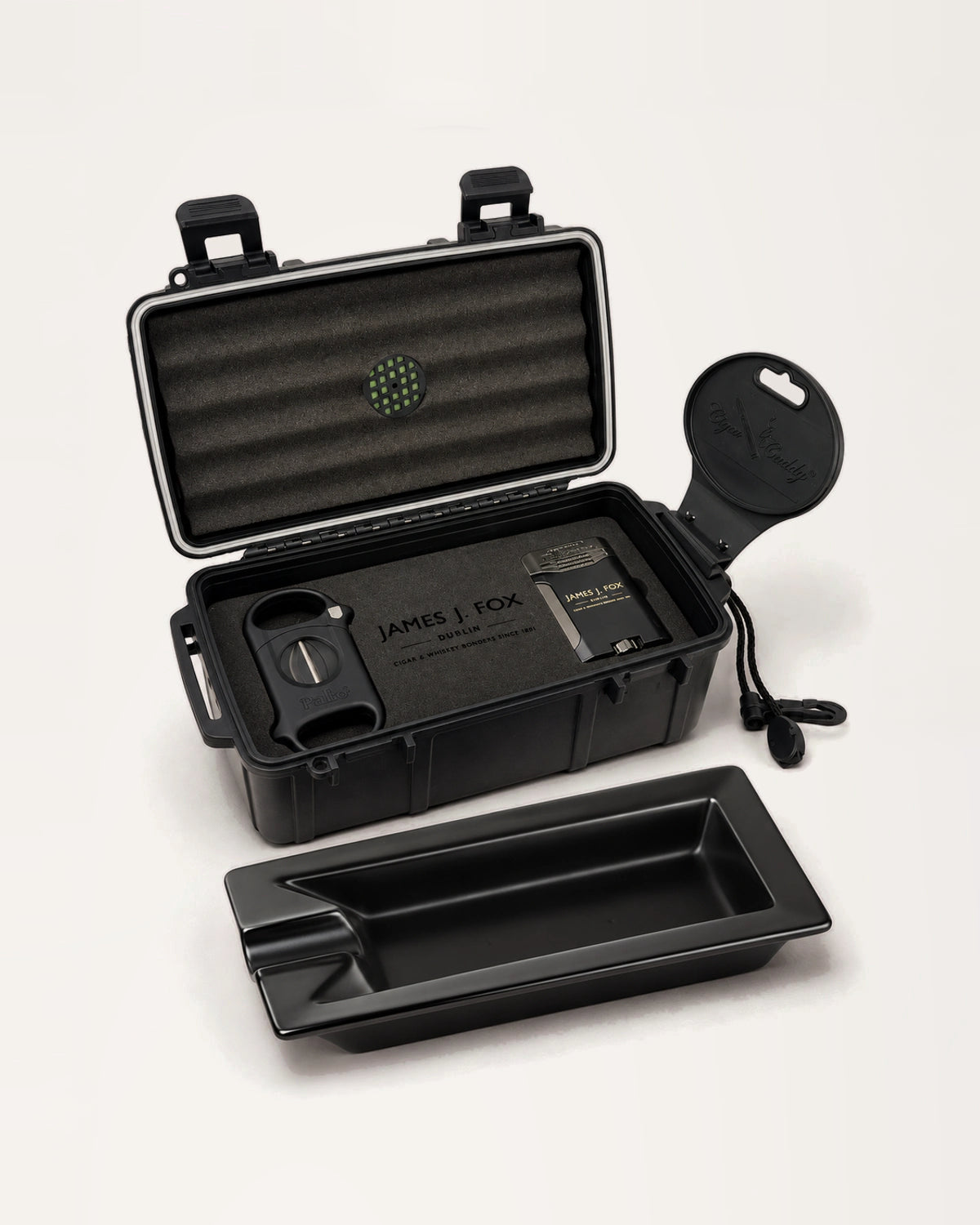
Happily, if you are unsure of their smoking preferences, there are plenty of alternatives that are just as thoughtful: a good cigar cutter if the cigars they enjoy require one, a trusty lighter, or a practical cigar case. These can add to the smoker’s overall experience and bring joy long after the gift has been unwrapped!

Not sure where to start? Check out our Cigar & Smoking Gift Ideas!