Scotch whisky is commonly grouped into five regions, amongst which Islay and Campbeltown are “protected localities”, while Highlands, Speyside and Lowlands are “protected regions”. These names identify where the whisky was distilled.
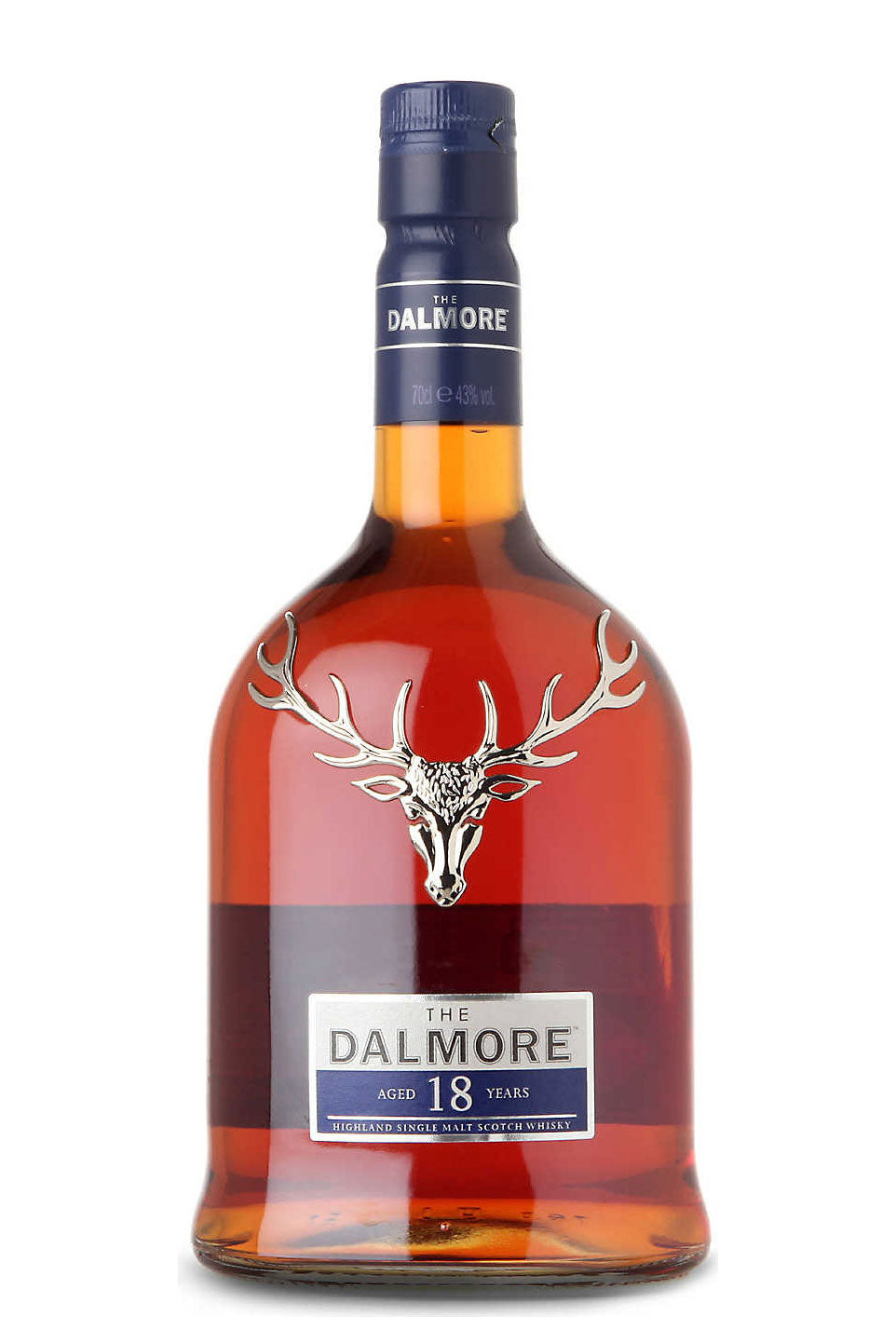
Highlands
The broadest flavour range: honey, malt, fruit and spice, alongside richer, waxy, coastal or smoky styles. There is no single Highland production style. Still design can make a significant difference: Glenmorangie, for example, uses exceptionally tall stills to produce a delicate, fruity spirit.
Speyside
Often associated with apple, pear, honey and vanilla, or richer dried-fruit, nut and spice notes in sherry-influenced expressions. Unpeated malt is common, although peated exceptions exist. Cask selection is particularly prominent: The Macallan is closely associated with sherry-seasoned oak.
Lowlands
Traditionally lighter, grassy and floral, with citrus, fresh malt and gentle sweetness. Historically associated with triple distillation, still practised by Auchentoshan, although it is not a requirement or universal practice.
Islay
Famous for peat smoke, bonfire, medicinal or seaweed-like aromas, often balanced by citrus, sweetness and fruit. Many distilleries use barley dried with peat smoke, producing the characteristic smokiness. Examples include Laphroaig, Ardbeg and Lagavulin. However, Islay also produces unpeated whisky: Bunnahabhain is an important example.
Campbeltown
Often robust and oily, with coastal, savoury, fruity and sometimes smoky characteristics. Production varies considerably even within one distillery. Springbank uses its distinctive two-and-a-half-times distillation, while its Longrow whisky is distilled twice and Hazelburn three times.