

4.7

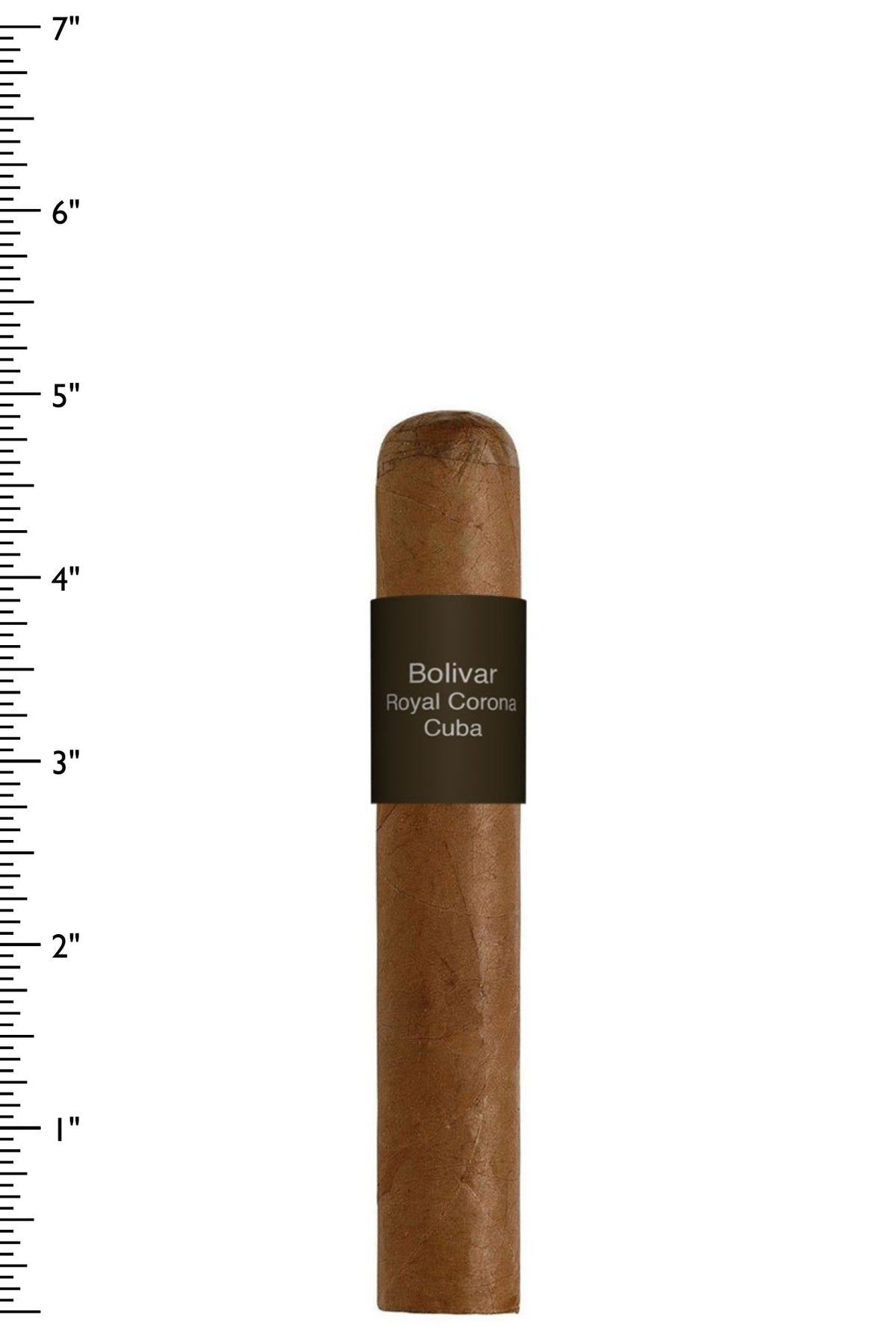
Bolivar Royal Corona

From €39.19

Cohiba Maduro Secretos

From €48.13
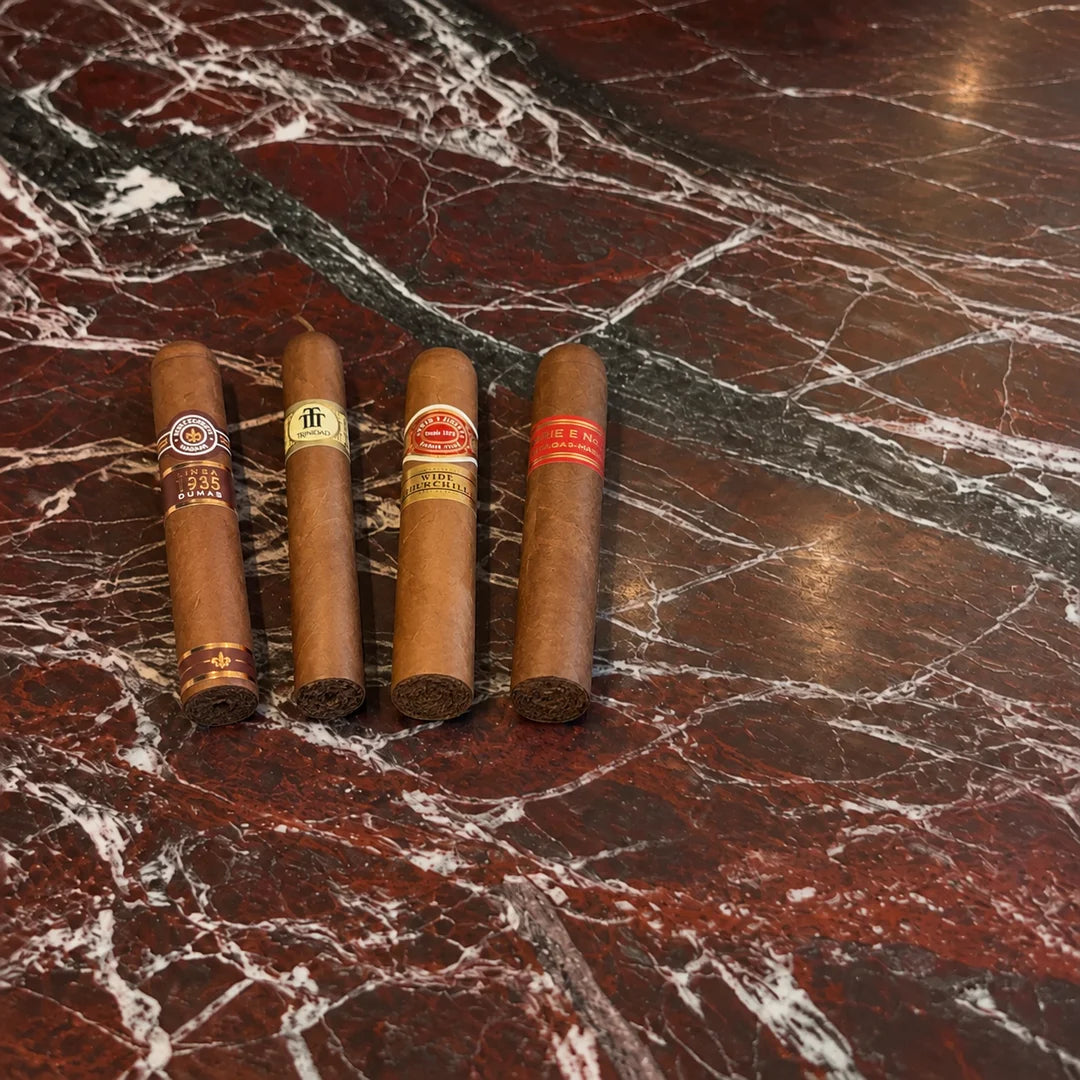
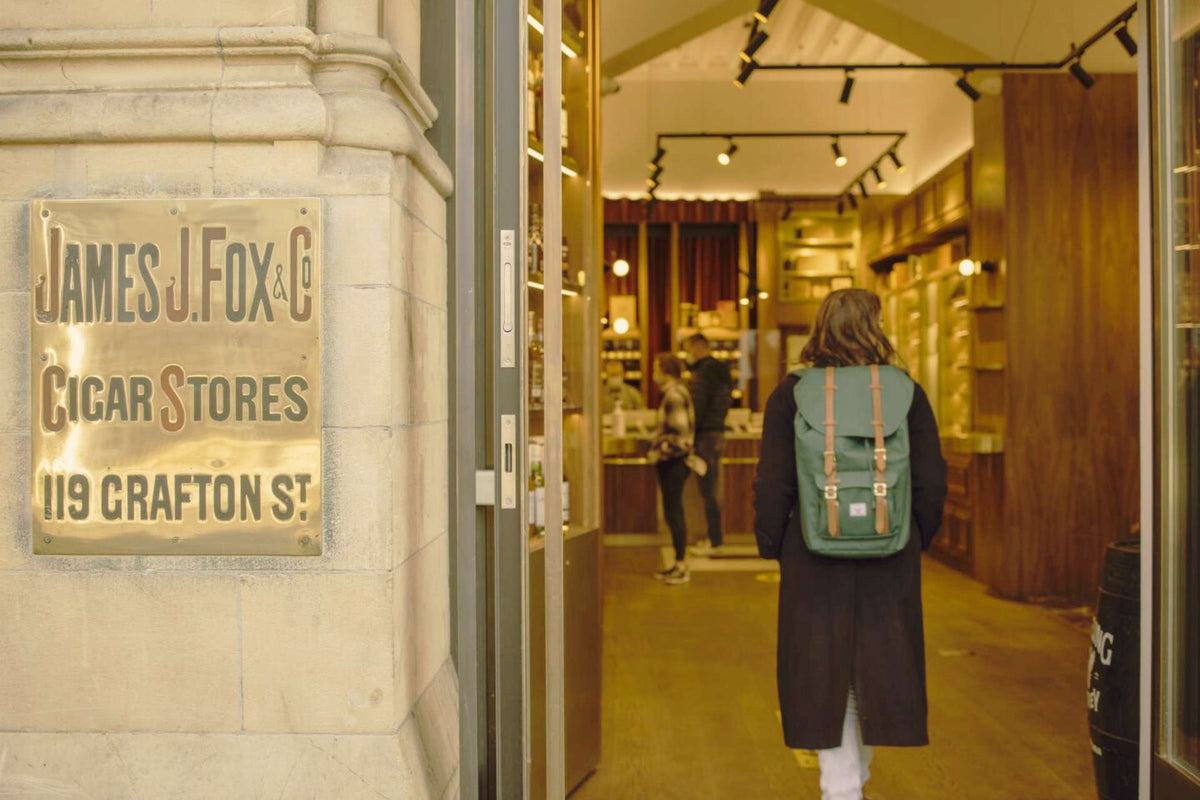
Four Cuban cigars displayed on the burgundy marble counter inside James J. Fox, Dublin.

Buying Guide

Discover Cuban cigar sizes
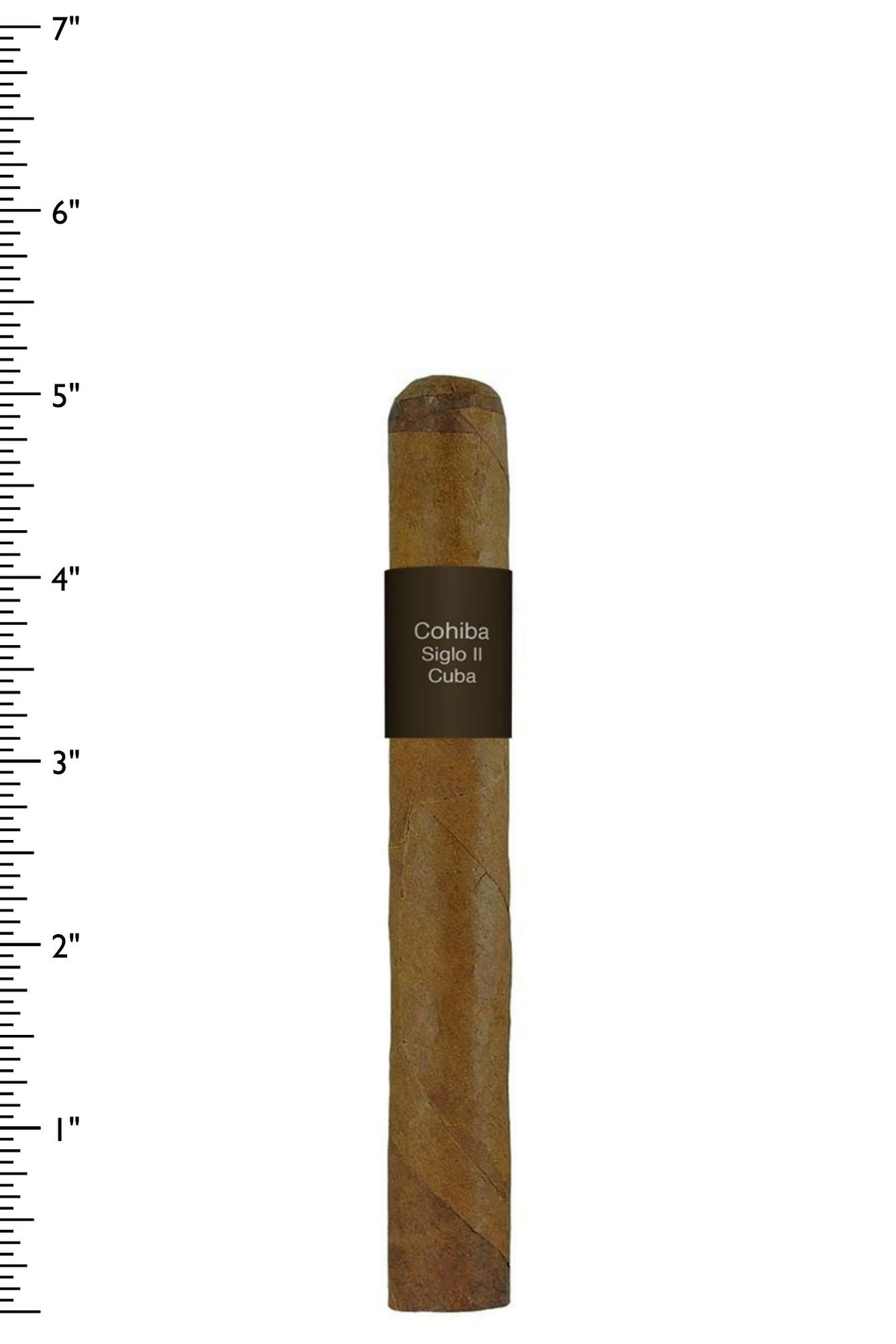
Our guide explains Cuban cigar sizes, from Robusto and Corona to Churchill and Lancero, and covers ring gauges, factory vitola names and the differences between popular formats.

Read the Guide
Open Trinidad and Cohiba cigar boxes displaying their cigar bands and different formats at James J. Fox Dublin.

Start with the Line, then the Format

Within Cuban cigars, a brand is a useful point of reference, but it is not a fixed flavour profile – one brand can still produce two very different cigars. Some brands are known for their milder options, like the standard blends of Hoyo de Monterrey and Quai d’Orsay, while others, like Partagás, are associated with more full-bodied smokes. Individual lines and some special releases can differ from those starting points. Compare the published body of the named cigar before using its size or reputation as a shortcut.

Open Partagás Línea Maestra Maestro Cuban cigar box with blue and gold cigar bands at James J. Fox Dublin.

Reading the details

A Cuban cigar may have both a market name and a factory size name. Habanos calls these the vitola de salida and vitola de galera. A familiar name such as Petit Corona is a starting point, but the length in millimetres and ring gauge make comparisons across brands more precise. Ring gauge describes diameter in sixty-fourths of an inch; it is not a measure of strength or anything else.

Dates included in release names can also mean different things. A year in a Limited Edition designation or a Regional Edition listing identifies the release. The stamp beneath an original Habanos box gives the month and year the cigars were boxed. Neither tells you when the tobacco was harvested or how the box has been stored since.

Finally, check the exact unit being offered. A single cigar, a small pack and a box can be variants of one listing, with very different prices and availability. If you need a particular original box or want to confirm a variant, ask our team before ordering.

Cuban Cigars FAQs

Find answers to common questions about Cuban cigars, from choosing the right cigar to understanding sizes, strengths, storage and care.

What does “Habano” mean?

Habano is a protected designation of origin for cigars made in Cuba to Habanos standards using tobacco from specified Cuban growing areas. “Cuban-style” does not mean the same thing. Check the individual listing when comparing cigars of different origins.

Which Cuban cigar should I choose first?

If known, use a cigar you already enjoy as a reference for body and size. If you have no such reference, we would typically advise to consider a smaller, milder cigar to start – then, depending on your impressions, you might get an idea on whether something more substantial or full-bodied would suit better.

Check out our blog for more tips on choosing your first cigar: "Best Cigars for Beginners: A Complete Guide To Your First Smoke"

Another good starting point could be a cigar selection or sampler. These typically offer an array of sizes and/or styles, which may help narrow down your preferences and help you get closer to your preferred type of smoke.

How can I check whether a box of Habanos is genuine?

An original box should have the Cuban Government warranty seal and Habanos marks. Its unique barcode can be checked through Habanos’ official authenticity service. Depending on the brand, there may be additional security features present (e.g. on bands), which may help determine genuine origin.

Counterfeit cigars do exist, making it crucial that you purchase your cigars through reputable vendors – keep in mind that if a deal seems to good to be true, it probably is!

Is an older release the same as an aged Cuban cigar?

Not necessarily. An older release refers to a cigar or edition introduced in an earlier year, while an aged Cuban cigar generally means the finished cigar has spent an extended period maturing under suitable storage conditions. The two can overlap, but a release year alone doesn’t confirm the cigar’s production date or storage history. This is also different from using tobacco aged before rolling – the distinction is between ageing the leaves and ageing the finished cigar.

How should I store Cuban cigars?

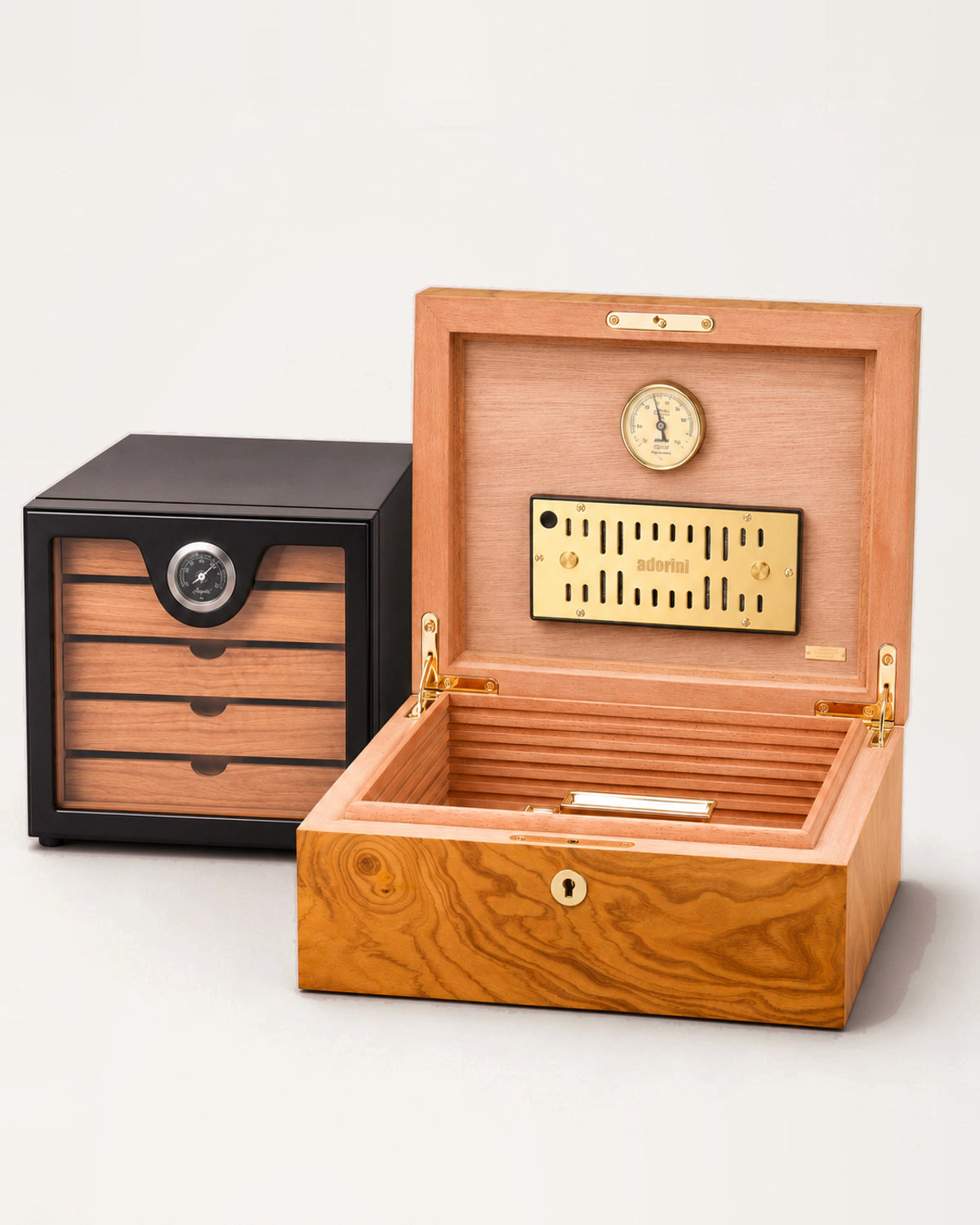
In short, what you need is a sealable/airtight container, in which you can maintain consistent temperature and RH (relative humidity) level. We recommend a stable 16–18°C and 65–70% relative humidity for storage.

Please note that a wooden cigar box or a sealed bag are not a replacement of a proper humidity control system. If you plan to keep your cigars for a time before smoking them, we'd advise to consider setting up suitable storage and monitor its conditions.

Can you deliver Cuban cigars outside Ireland?

Services and restrictions depend on the destination and order contents. Check our current Shipping Information before placing an international order, and consider checking with your local authorities on whether cigars or tobacco products are allowed to be imported into your jurisdiction for personal use (and if so, whether any additional duties/taxes may be due before such an order is delivered).