
5.0

Need Inspiration?

Gift Ideas

Check out our suggestions for gifts in cigars, whiskey, pipes and more!

EXPLORE

Looking beyond the name on the band

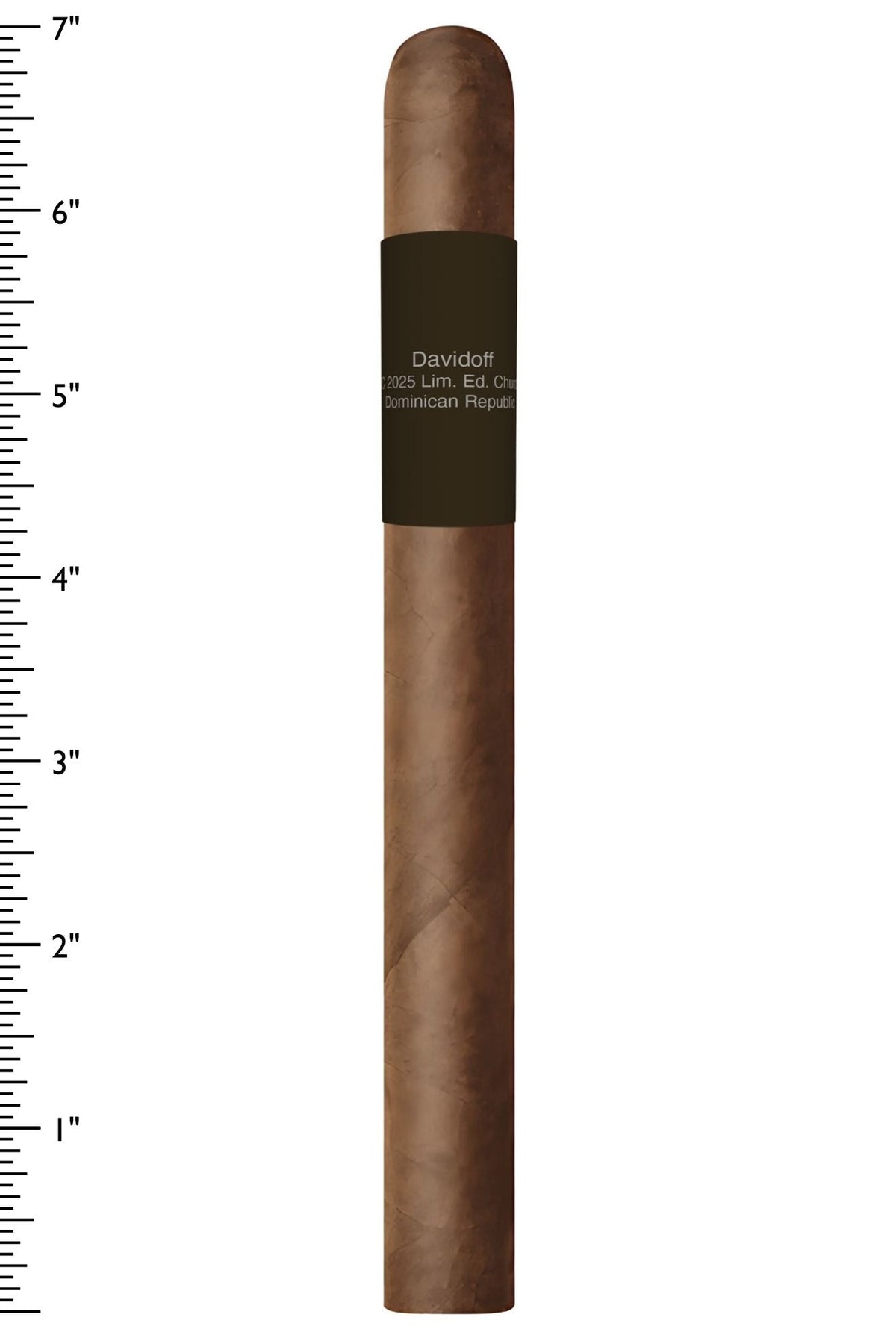
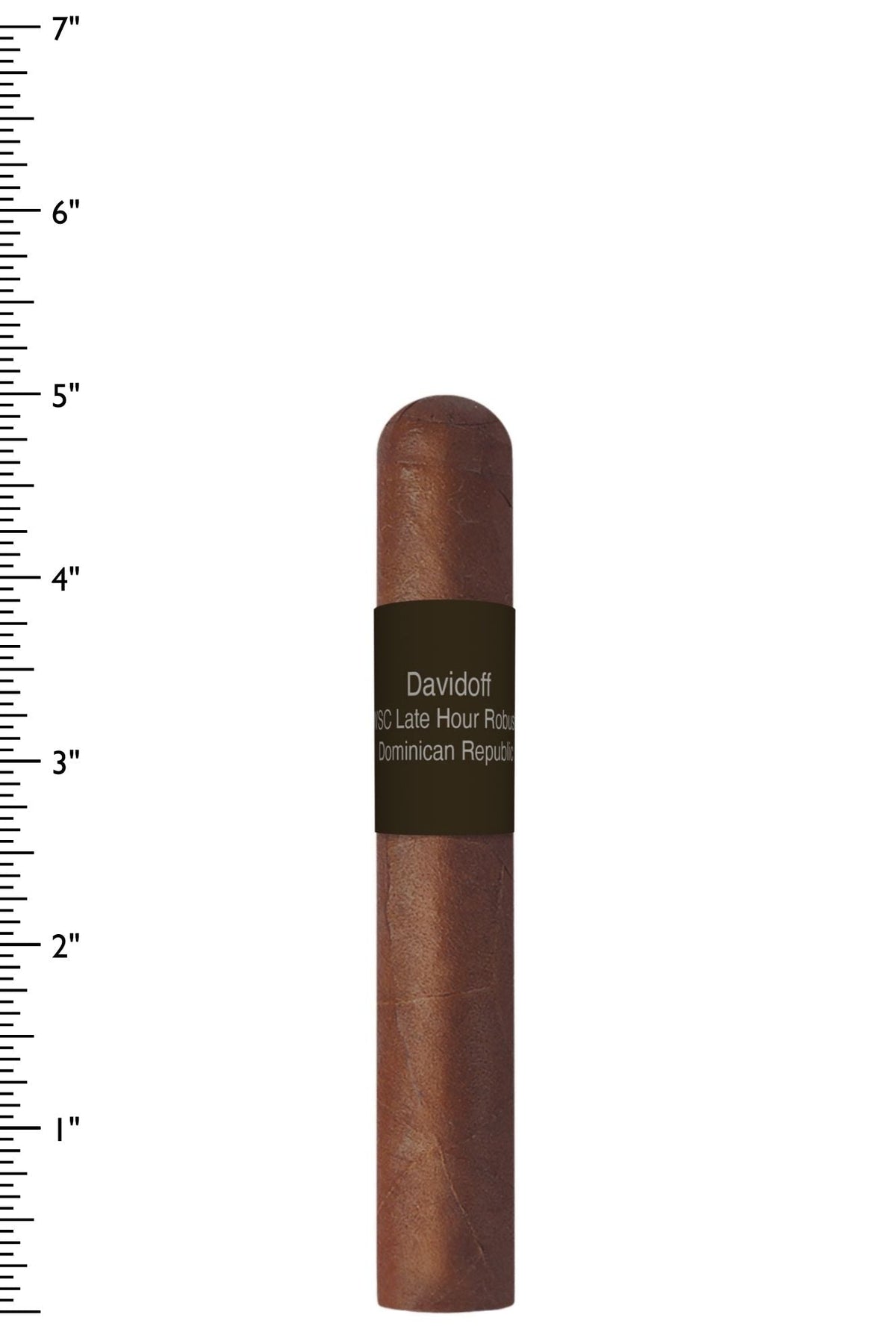
Within a single maker's range, familiar names can cover quite different blends. Davidoff Winston Churchill The Original and The Late Hour are separate series, with certain sizes present in both of them. What sets The Late Hour apart is inclusion of a Nicaraguan filler leaf matured in single malt Scotch whisky casks, a detail the shared name and format cannot convey on their own.

E.P. Carrillo offers another example. New Wave Connecticut has an Ecuadorian wrapper over Nicaraguan binder and filler, while Pledge combines a US wrapper, Ecuadorian binder and Nicaraguan filler. Both are made in the Dominican Republic, but the named lines have different component tobaccos. The maker and country names alone do not describe either blend.

All of these differences contribute different factors to the smoking experience, so there is plenty to discover for smokers of any experience level.

What does "box pressed" or "puro" mean?

“Box pressed” describes a cigar’s shape; “puro” describes the origin of its tobacco.

  • Box pressed: A cigar whose sides have been flattened through pressing, giving it a square or rectangular cross-section. The effect ranges from gently squared sides to pronounced corners.
  • Puro: A cigar whose wrapper, binder and filler tobaccos all come from one country. A Nicaraguan puro, for example, uses entirely Nicaraguan-grown tobacco, although it may combine different regions and tobacco varieties. In Spanish, puro can also simply mean “cigar.”

A cigar can be both box pressed and a puro. Neither term, by itself, indicates any particular strength or quality.

Dominican Cigars FAQs

Answers to questions about Dominican cigars, their origins and the details behind a country label.

How do Dominican cigars differ from Cuban cigars?

The principal distinction is where the finished cigar is made. A Habano is made in Cuba from Cuban tobacco; cigars made in the Dominican Republic may contain leaves grown in several countries. The country name alone cannot tell you a cigar's body, nicotine strength or standard of construction.

As very general guidance, Dominican cigars are often associated with creaminess and gentle sweetness; Cuban cigars with earth, wood and an aromatic, sometimes tangy character. As there are plenty of exceptions to this, be sure to check the exact cigar's flavour profile.

Are Dominican cigars always mild?

No. Like any other region, DR produces cigars ranging from mild to medium through to full. Body describes the fullness of flavour; nicotine strength is a separate characteristic. Rely on the flavour information posted for an individual cigars – the origin on its own doesn't indicate how mild or strong the cigar is.

What does “Dominican puro” mean?

In blend terms, puro means that the wrapper, binder and filler tobacco come from one country. A Dominican puro uses Dominican tobacco throughout; a cigar made in the Dominican Republic can also use leaves grown elsewhere. The word puro is sometimes used more generally for a cigar, so the listed blend remains the clearest guide.

Are Dominican cigars good quality?

Quality has to be judged by the individual cigar, not its country of production. Makers check construction, dimensions, weight and draw, although their methods and standards vary. That being said, our team is selective in the choices of brands we work with, so any cigar found on our shelves is something we're happy to put our name behind.

A Dominican origin label does not, by itself, establish how exactly a particular cigar was made or kept.

Can I collect Dominican cigars from the Grafton Street shop?

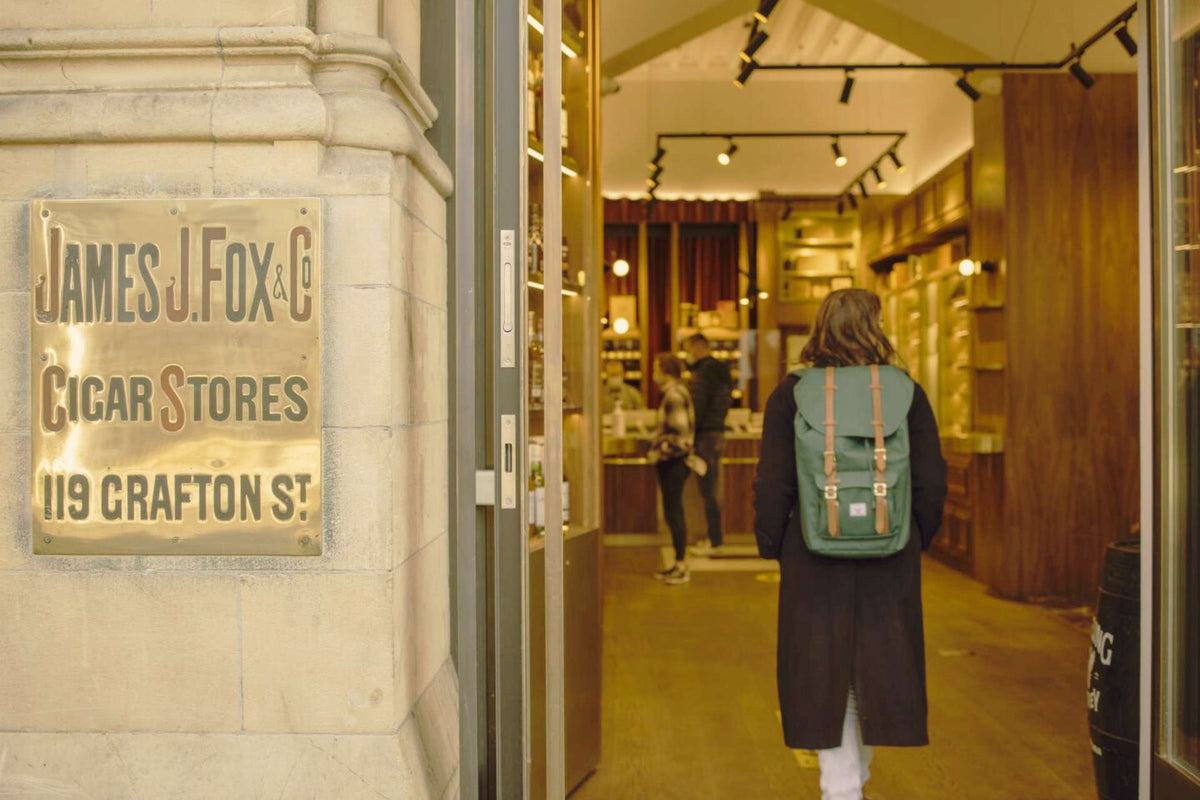
Our Click & Collect service is available at 119 Grafton Street, Dublin, for customers aged 18 or over. Please wait until you receive the ready-for-collection notification before coming to the shop. Our Shipping Information page has the current collection details.